

Responsibly Ranch Raised Bison Meat
What does 'Responsibly Ranch Raised' mean?
1. In the NebraskaBison.com operation, we take great care in raising our bison herd in a low stress lifestyle, keeping in mind the quality of life for our animals, the impact our ranch and process has on the environment and the impact our actions have on the quality of our finished bison meat product. The following is our promise to you.
2. We NEVER use antibiotics, growth hormones or steroids in our bison. We do NOT add chemicals or fillers during processing. It is so important to us that we keep our finished bison product 100% real.
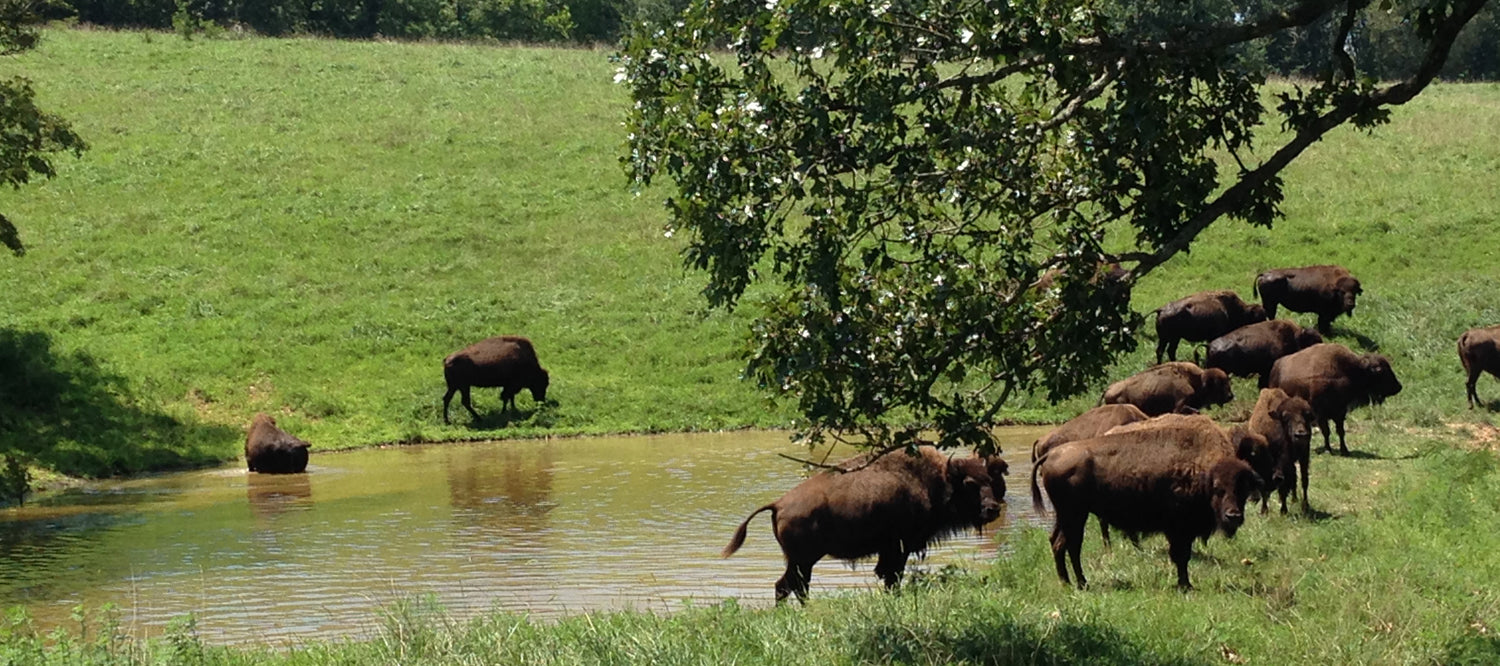
3. Between our two ranches, our bison have lots of room to roam, graze and grow. The space we give our bison herds allow them to remain wild and live on their instincts according to their own social hierarchies. Throughout the course of their lives, our bison are minimally handled, respected and humanely treated.
4. Randy and Jane (our owners) care about their land, their animals and sustainability. They oversee all operations on their ranches and are hands on with the management of their herd. The meat we sell across the country is the same meat Randy and Jane put on their own table and share with their family.
5. We do everything we can to ensure that the meat we produce is with us throughout the entire cycle from ranch to plate. Our growing operation is more and more allowing us to raise our bison from birth and oversee the process all the way through production.
You can feel good about putting NebraskaBison.com bison meat on your table because we feel good about the high standards we live by to produce it. You can rest easy knowing that the meat we send you in 100% real meat from a ranch that cares about its herd and the land.